
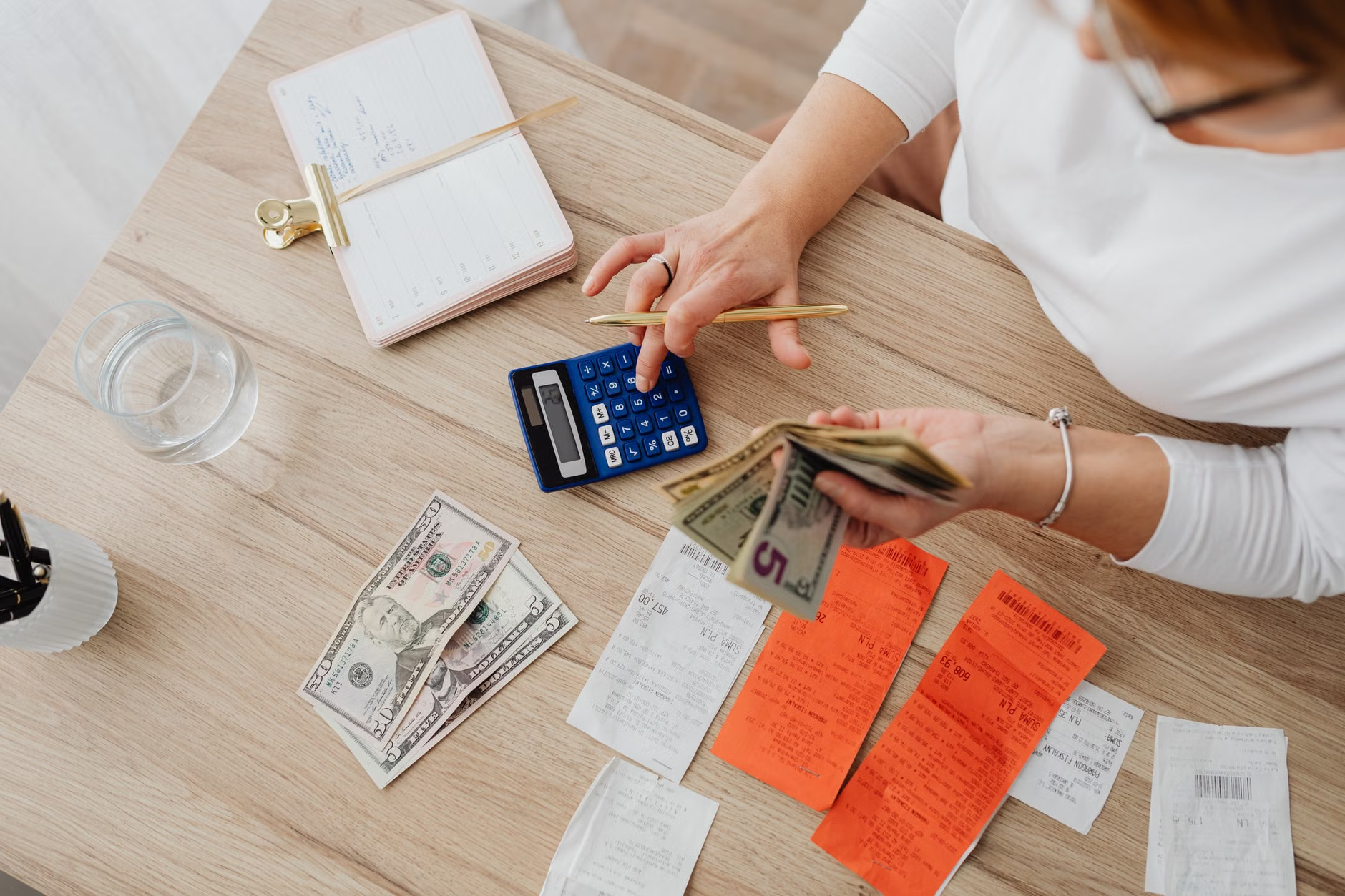
A no-spend challenge is not a promise to stop using money altogether. It is a short, defined period when optional spending is paused while essentials and obligations still get paid. That usually means keeping housing, utilities, groceries, transportation, medications, insurance, and debt payments in the plan, while cutting back on takeout, impulse shopping, entertainment extras, and other flexible purchases.
Official budgeting guidance from consumer.gov, MyMoney.gov, and the Consumer Financial Protection Bureau starts in the same place: know what comes in, know what goes out, and separate necessary spending from flexible spending before trying to cut anything.
Set the rules before day one
The most useful no-spend rules are plain and specific. Choose a start date and end date. Decide which categories are frozen, which are still allowed, and which exceptions count as legitimate. That matters because a real budget includes variable bills, irregular expenses, and a miscellaneous category for things that do not show up every week. If those items are ignored, the challenge can feel successful while the month still goes off track.
Consumer.gov budget guidance supports building those categories into the plan from the start.
- Pick a short first round, such as seven days or one pay period. A shorter window makes it easier to test habits without creating unnecessary friction. MyMoney.gov
- Pause discretionary categories, not core bills. Common targets include restaurant meals, delivery, streaming add-ons, impulse online orders, beauty extras, hobby purchases, and convenience-store stops. Consumer.gov
- Keep essentials active. Rent or mortgage, utilities, basic groceries, medications, transportation, insurance, child care, and minimum debt obligations should stay in the plan. Consumer.gov
- Write down exceptions in advance, such as a preplanned trip, a school fee, or a birthday gift, instead of inventing exceptions in the moment. Comparing actual spending to the plan is part of the exercise. CFPB spending tips
- Give the saved money a job. Move it to emergency savings, a credit card payment, or a known upcoming expense so the challenge produces a visible result. consumer.gov
The best version is usually a little boring. If the rules are so strict that normal life immediately breaks them, the challenge becomes a guilt exercise instead of a money tool.
The biggest benefit is seeing your habits clearly
People often approach a no-spend challenge as a discipline test. The more useful benefit is feedback. The CFPB recommends tracking spending for a week or a month, and MyMoney.gov also suggests tracking habits over time and setting a weekly or monthly maximum. That process makes routine card spending easier to spot, especially purchases that feel too small to matter until they repeat several times a week.
A simple hypothetical example shows why that matters. Skipping one large impulse purchase may feel like a win, but if lunch out still happens four times, two forgotten subscriptions keep renewing, and checkout snacks keep slipping in, the real pattern has not changed. Tracking every transaction usually teaches more than one dramatic cut because it shows which expenses are habitual, social, or simply automatic.
There is also an important limit. A no-spend week can reduce discretionary spending, but it does not solve a budget that is already underwater. Consumer.gov notes that if expenses are greater than income, spending is exceeding what you make, and the next step is to change the budget rather than rely on willpower alone. In the same way, when bills are already behind or income is irregular, a broader cash-flow plan matters more than a trendy challenge.

Tips that make the challenge easier to finish
- Do a quick money audit first. Spend 15 minutes reviewing the last month of bank and credit card activity. Look for repeated categories, not just the biggest charges. The CFPB specifically suggests checking statements, cards, and receipts to understand what you actually spend. Consumer Financial Protection Bureau
- Stock the basics before the challenge starts. If coffee, groceries, pet food, or transit credit runs out on day two, the challenge can turn into expensive convenience spending instead of a controlled reset. consumer.gov
- Reduce shopping triggers. MyMoney.gov warns against letting sales or coupons push you into purchases that are not in the spending plan, so muting retailer emails and removing saved cards from fast-checkout apps can help. MyMoney.gov
- Check progress mid-challenge, not only at the end. The CFPB recommends comparing actual spending with the budget regularly and adjusting when the plan is out of line. CFPB spending tips
- Keep one rule after the challenge ends. A weekly cap on wants, a standing transfer to savings, or a fixed restaurant budget is often more useful than repeating one extreme reset after another. CFPB spending tips

The most effective no-spend challenge is usually the least dramatic one. Define the rules narrowly, keep essentials in place, track every dollar, and use the result to improve the next month rather than celebrate a temporary streak. If the exercise makes spending easier to see and gives the saved money a clear job, it has done what it should.
References
- Making a Budget | consumer.gov – https://consumer.gov/your-money/making-budget
- Spend | MyMoney.gov – https://www.mymoney.gov/spend
- Assess your spending | Consumer Financial Protection Bureau – https://www.consumerfinance.gov/owning-a-home/prepare/assess-your-spending/
- Consumer tips for managing spending | Consumer Financial Protection Bureau – https://files.consumerfinance.gov/f/documents/201702_cfpb_Consumer-Tips-on-Managing-Spending.pdf