
Cutting grocery costs without sliding into takeout or low-nutrition convenience food usually comes down to two habits: plan a few overlapping meals before you shop, and buy foods in the form you are most likely to use. USDA MyPlate budget guidance emphasizes making a plan, and the CDC notes that healthy eating patterns can reflect both personal preferences and budget considerations. (myplate.gov)
Plan four anchor meals before you make the list
The fastest way to overspend is to shop by impulse, even if the cart looks healthy. A short meal plan usually works better than a long shopping list. Pick four main meals for the week, then choose breakfasts, lunches, and snacks that reuse those same ingredients. That keeps the budget tighter and makes it much more likely that produce, proteins, and grains actually get eaten instead of being forgotten in the back of the refrigerator. That basic plan-first approach lines up with MyPlate’s budgeting advice. (myplate.gov)
- Check the refrigerator, freezer, and pantry first. Build around food that needs to be used soon.
- Choose four anchor meals that share ingredients. A simple hypothetical example: oatmeal with fruit for breakfast, bean tacos, lentil soup, and vegetable omelets. One onion, one carton of eggs, a bag of spinach, and a few cans or bags of beans can cover more than one meal.
- Add one backup produce option in a longer-lasting form. The CDC notes that healthy eating can include practical choices such as frozen vegetables, fruit, and canned tomatoes with no salt added. (cdc.gov)
- Stop when the plan is covered. Extra “maybe” items are where healthy budgets usually start leaking.
This approach also solves a common problem: buying aspirational groceries instead of realistic ones. If a full head of broccoli, a bunch of herbs, and loose greens sound virtuous but often spoil before they get cooked, the cheaper healthy choice may be frozen broccoli, a smaller herb pack, or sturdy vegetables that last longer. Saving money is not about choosing the lowest sticker price. It is about choosing the food most likely to become meals.
Spend on ingredients that do real work across the week
The CDC’s healthy eating guidance emphasizes vegetables, fruits, protein foods, dairy, healthy fats, and whole grains. It also notes that fiber-rich foods such as fruits, vegetables, whole grains, legumes, nuts, and seeds can help with fullness. For a tighter grocery budget, that means building meals around versatile basics that can move between breakfast, lunch, dinner, and snacks instead of buying many single-purpose items. (cdc.gov)
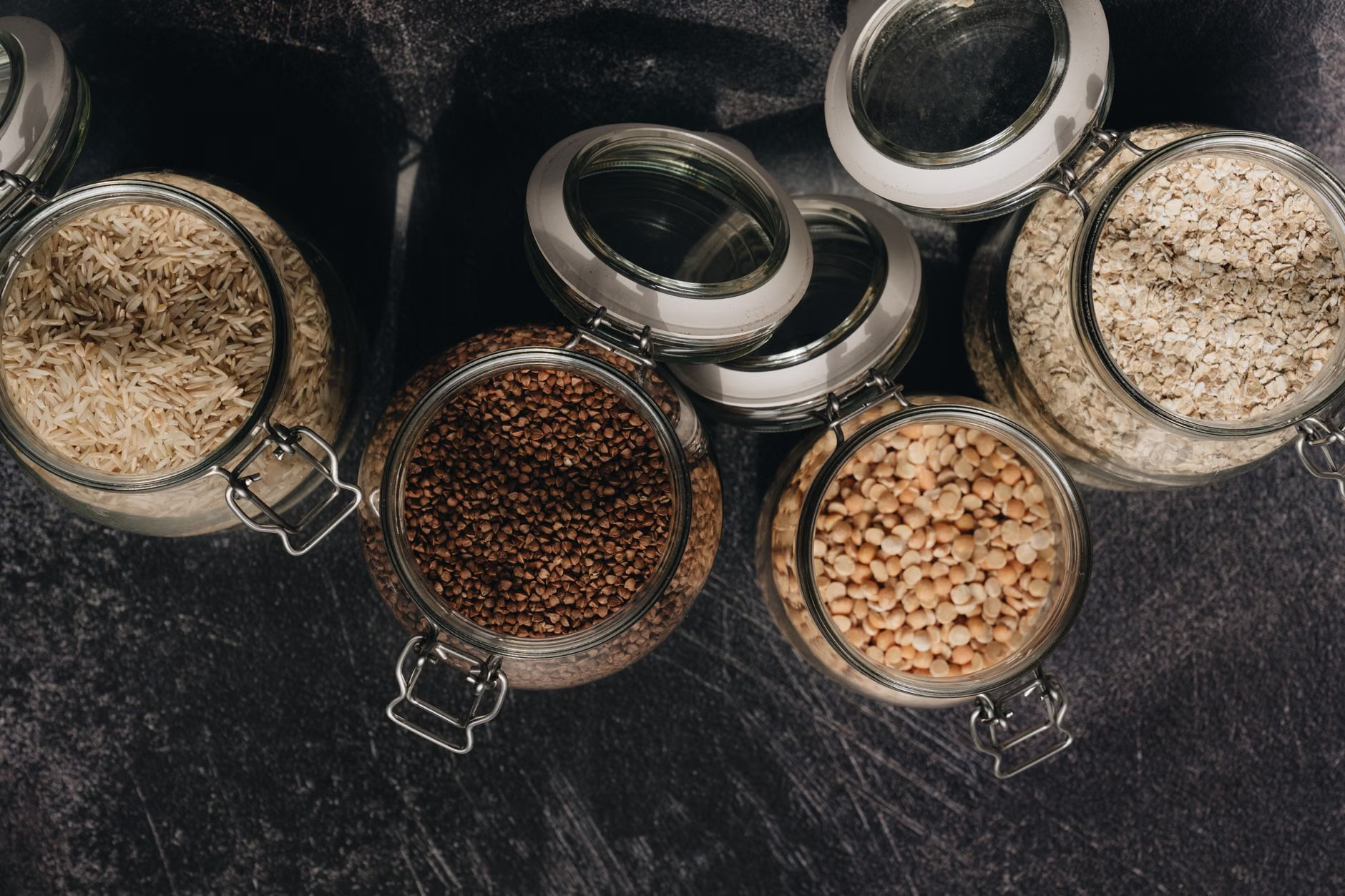
- Oats, rice, potatoes, and other basic grains or starches can anchor several meals without much planning.
- Beans and lentils stretch soups, tacos, grain bowls, salads, and pasta sauces.
- Eggs and plain yogurt can cover quick breakfasts, lunches, or backup dinners.
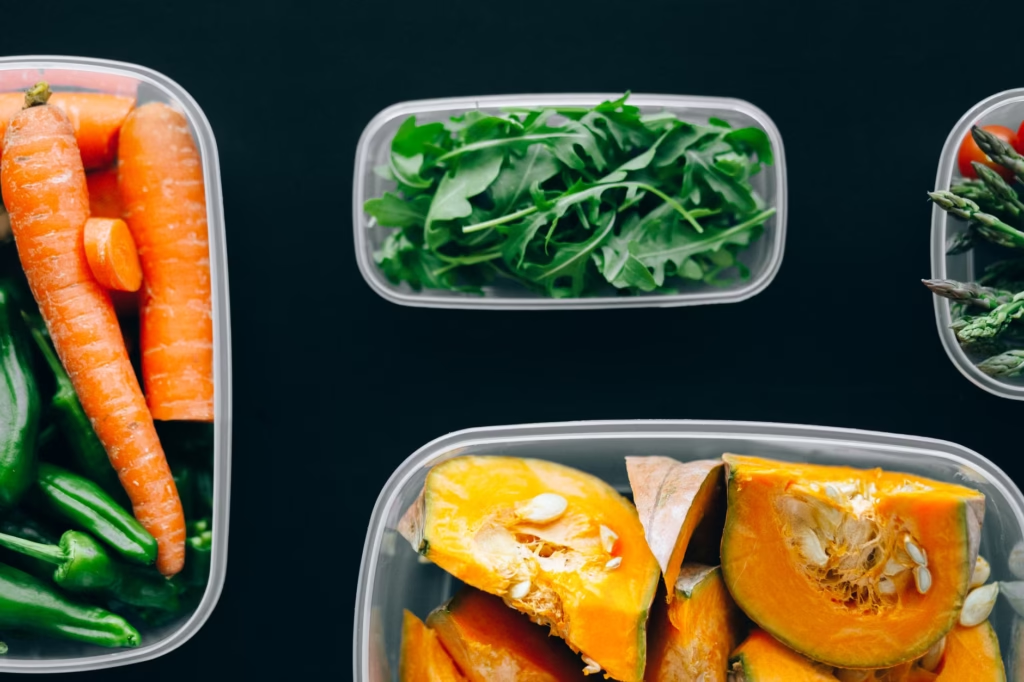
- Frozen vegetables and fruit are often the better buy when the alternative is throwing away fresh produce.
- Pantry helpers such as canned tomatoes can save time, but compare labels and choose simpler options when possible rather than versions loaded with extra sodium, sugar, or sauces. The CDC recommends reading the Nutrition Facts label and choosing foods with no or lower amounts of added sugars. (cdc.gov)
A useful mindset shift is to stop treating healthy eating as a fresh-only project. Fresh produce is excellent, but it is not automatically the smartest budget choice for every household. If work hours are long or cooking plans change often, frozen vegetables, canned beans, or fruit that keeps well may protect both nutrition and the grocery bill. The tradeoff is that some packaged shortcuts add sodium, sweeteners, or sauces, so convenience is worth buying only when the label still supports the kind of meal you are trying to eat. (cdc.gov)
Use price per eaten serving, not price per package
Many grocery “deals” are only deals if the food gets eaten. A larger package can look cheaper, but it stops being a bargain when part of it spoils, goes stale, or ends up in the trash. A better test is price per eaten serving: divide the cost by the number of realistic servings your household will actually use, then factor in waste. If the answer changes because the food will not keep long enough, the cheaper package was not really cheaper.
- Ask how many meals this item will actually cover.
- Ask whether it works in at least two different dishes.
- Ask how much prep time it requires on a normal week, not an ideal one.
- Ask whether it will stay good long enough to be used. FoodSafety.gov recommends storage guidance such as the FoodKeeper tool to help preserve quality and reduce waste. (foodsafety.gov)
A simple example: a large clamshell of salad greens may look cheaper per ounce than a smaller bag, but if half of it wilts, shredded cabbage, romaine, or frozen vegetables may end up cheaper per meal. On the other hand, a family pack of chicken, tofu, or ground turkey can be a smart buy if it is portioned and used promptly. That last part matters. If saving money means batch cooking or buying larger packs, food safety still sets the boundary: FoodSafety.gov advises refrigerating perishable groceries promptly, using cooked leftovers within four days, and storing food correctly so thrift does not turn into waste or illness. (foodsafety.gov)
The healthiest low-cost grocery strategy is usually the least flashy one: fewer impulse buys, more overlap between meals, and better follow-through on the food already in the house. If a purchase saves money only on the shelf, it is not really saving money. The goal is meals eaten, not groceries admired.
References
- USDA MyPlate: Healthy Eating on a Budget – https://www.myplate.gov/web/eat-healthy/healthy-eating-budget
- CDC: Healthy Eating Tips – https://www.cdc.gov/nutrition/features/healthy-eating-tips.html
- FoodSafety.gov: Keep Food Safe – https://www.foodsafety.gov/keep-food-safe
- FoodSafety.gov: People at Risk of Food Poisoning – https://www.foodsafety.gov/people-at-risk